
Kaili, a city in Guizhou Province of China, is renowned for its vibrant and culturally rich Sunday market. This weekly event is not just a marketplace but a living tapestry of local life, traditions, and commerce.
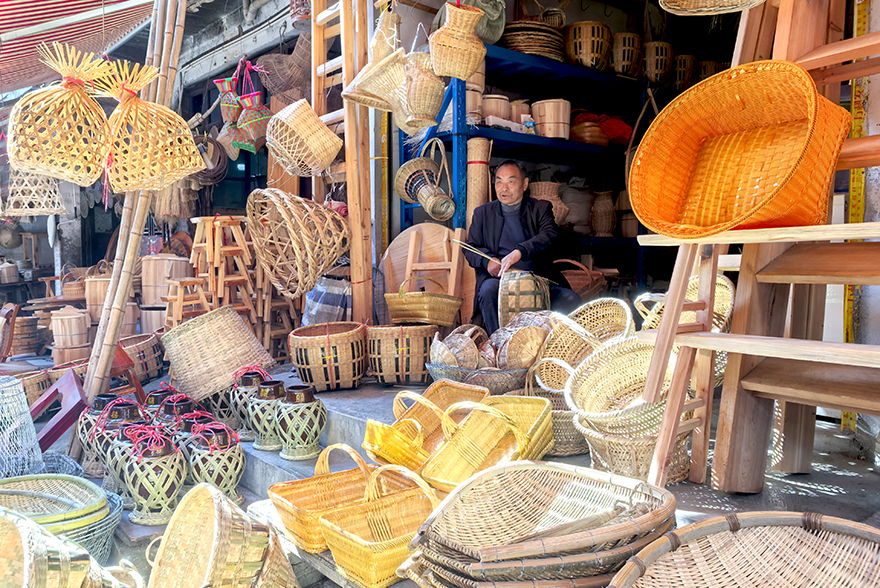
The Sunday market is typically held in a large, open - air area in the heart of Kaili. Streets and squares are transformed into a bustling bazaar, with rows upon rows of stalls stretching as far as the eye can see. The layout is a delightful chaos, with different sections dedicated to various goods. Some areas are filled with vendors selling fresh produce, while others are a haven for handicrafts, traditional clothing, and local specialties.
This lively market is definitely worth a visit.Because many Miao people live nearby.Kaili's market provides the added interest of traditionally dressed Miao girls andwomen. There is a growing tendency for Miao gitls to dress like the Han Chinese girls in trousers and jackets, rather than in their black pleated skirts and embroidered jackets. However, they nearly always wear their hair in a traditional manner piled high according to the style of their village and decorated with plastic combs, ribbons and even plastic flowers instead of silver.
The vegetable and fresh food section varies according to the season but there is a profusion of fresh vegetables year-round that far outstrips any local Europeanmarket. In spring there are bamboo baskets full of a wide assortment of mushrooms and fungi. There are basketloads of fresh cabbage of different varieties, plenty of red tomatoes, neat bundles of mustard plant, big white flowery cauliflowers,fresh garlicshoots, Chinese lettuces used for hotpot,pea shoots, wild garlic, mountains of dried red chillies and cloves of garlic. Most intriguing are large wooden barrels full of delicate yellow-green bean shoots, freshly sprouted. These contrast with piles of dried twisted seaweed. Autumn brings more tomatoes, bamboo shoots, aubergines (egg-plant), gourds and cucumber-like plants. There are earth melons that look like white turnips, peeled and eaten raw as a quick snack. Sweet and Irish potatoes are sold.
Don't miss the herb section. Root ginger is always on sale along with bags of all the spices that make up Chinese five-spice; dried chilli,plenty of wild pepper and arange of other seeds and spices. Wood ginger, a delicate yellow flower on a bare branch, is available in spring and is delicious with pork or chicken. There are always bundles of fresh green herbs,especially coriander.
The meat section is nearby. Freshly-killed pork, the most popular meat, is often brought to market as a complete carcass slung over a bicycle. Numerous stalls sell every conceivable item of the animal's anatomy--nothing is wasted in China. There is a spectacular array of stomach, intestines, liver, kidneys, head, lungs and ears.Beef is now popular and is more expensive than pork. Beautiful bamboo baskets contain live chickens. The locals prefer to buy fresh for the pot. You might see the throats of live chickens being cut; the blood is collected in a large bowl and the bird is put into boiling fat and then covered in black tar so it can be plucked quickly, ready for sale. Small piglets are paraded on strings or carefully encased in hand-woven bamboo containers designed for their size and shape.
Chicken, duck or spotted quails' eggs are displayed alongside popular thousand-year eggs', still coated with the lime in which they have been buried for 40 days that turns the yolks bright orange and the whites a gelatinous opaque substance. Surprisingly, the fish at Kaili is not fresh but frozen.
Not far away are all sorts of noodles---fresh and dried wheat noodles, translucent bean and rice noodles along with canna lily noodles made from the starchy rhizome. Every form of tofu can be found since it is one of the most important forms of protein.
A wide range of fruit is always at the market: apples and pears in the autumn; bananas, oranges and tangerines, grown in south Guizhou, in the winter and spring, Autumn also brings orange persimmons, giant pomelos and Chinese goose berry or monkey peach. Plenty grow wild in the province and are especially valuable as a source of vitamin C. There are always piles of peanuts and sunflower seeds to nibble. Cracking sunflower seeds between your teeth is a very popular way to pass the time; some Chinese have worn their front teeth down into a notch.
Goods on Sale
Fresh Produce
One of the most prominent features of the Sunday market is the abundance of fresh, locally - sourced produce. Colorful arrays of fruits and vegetables are on display. Baskets overflow with juicy peaches, plump tomatoes, and crisp green vegetables that have been harvested from the nearby farms. The produce is not only a feast for the eyes but also a testament to the region's fertile land and the hard - work of local farmers. Many of these items are organic, free from pesticides, and offer a taste of pure, unadulterated goodness.
Handicrafts
The handicraft section is a treasure trove of creativity. Intricately - designed embroidery, delicate batik works, and beautifully - carved wooden items are on sale. Miao and Dong ethnic groups, who are native to the area, showcase their traditional handicrafts. The embroidery, with its vivid colors and detailed patterns, often tells stories of the community's history and mythology. Batik, a unique dyeing technique, results in fabrics with one - of - a - kind patterns that are highly sought after by both locals and tourists. The wooden carvings, from small figurines to elaborate furniture, display the remarkable craftsmanship of the local artisans.
Traditional Clothing
Traditional ethnic clothing is another highlight of the market. Women in their finest Miao and Dong costumes walk among the stalls, adding to the colorful atmosphere. The clothing is characterized by its ornate silver accessories, which are not only decorative but also hold cultural significance. The silver headdresses, necklaces, and bracelets are often passed down through generations, symbolizing wealth, status, and family heritage. The embroidered fabrics used in the clothing are a showcase of the local textile skills, with each stitch representing hours of painstaking work.
Local Specialties
The market is also a great place to sample and purchase local specialties. Aromatic rice wines, spicy pickled vegetables, and sweet - and - savory snacks fill the air with enticing scents. The rice wines, brewed using traditional methods, have a unique flavor that is both smooth and slightly tangy. The pickled vegetables, with their zesty kick, are a staple in local cuisine and can be eaten as a side dish or used in cooking. The snacks, such as glutinous rice balls filled with sweet fillings, offer a quick and delicious treat for those exploring the market.
Cultural Atmosphere
Local people, dressed in their traditional attire, come to the market not only to buy and sell but also to socialize. It is a place where friends and neighbors meet, exchange news, and catch up on each other's lives. The sense of community is palpable, as people greet each other with warm smiles and engage in friendly conversations.


